

You may have noticed that the film-simulated images from your mirrorless camera don't look quite like true analog captures. Sure, they're interesting and unique, but somehow still oh-so-digital. The missing ingredient? Grain.
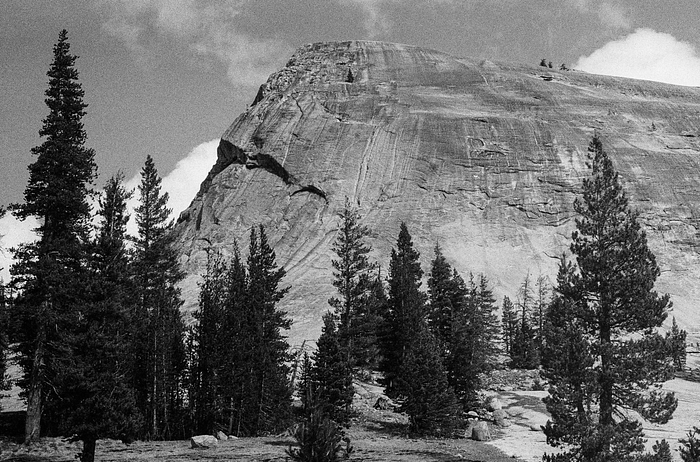
You'd think that after shooting 35mm film for years, I would have figured this out earlier. Maybe it's because I was so focused on controlling noise in my early days of digital that I lumped grain into the same category of things to avoid. But, they're not the same. And now that I realize that, my film-simulated shots look a lot more realistic.
I thank Nikon for this revelation. When they added Film Grain Options to my Zf mirrorless camera via firmware upgrade 3.0, I investigated it along with the other new features. I was curious. Why, of all things, did they add film grain?
I tested the feature with a Tri-X simulation that I liked. The answer to the "why film grain" question became clear. The resulting shot actually looked like Tri-X. The randomized grain that Nikon developed, and has now included in the Zf, had been the missing ingredient for my digital B&W shots. Son of a gun!
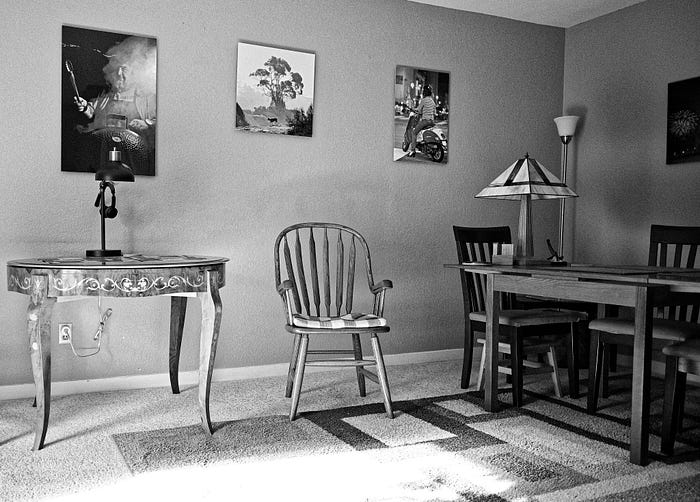
Plus, Nikon's implementation is fantastic. It features six intensity levels and three grain sizes. Generally speaking, I select intensity level 2 or 3 and small for the size. Combined with a film simulation setting, such as Tri-X or Kodacolor, the results are much closer to real film than anything I had previously rendered from a digital camera.
The new Film Grain Options is located in the Camera Menu about two-thirds of the way down. Remember, you have to upgrade your firmware to V3.0 for it to appear.
I recommend shooting RAW+JPEG when working with grain and simulations. The settings will be applied to the JPEG, and the RAW remains a pure capture without the effects. Nail the exposure, and you can use the JPEGs right out of the camera. The RAWs are there if you need them.
For extra fun, I recommend using a vintage Nikon lens with the FTZ II adapter to further enhance the analog look. If you use an AI-S optic, such as the Nikkor 50mm f/1.8 AI-S with the FTZ II, you'll still retain a lot of camera functionality, such as Aperture Priority, but get closer to that classic Nikon look. Don't forget to add the lens to the Non-CPU Lens Data option in the menu. By doing so, its information will be listed in the EXIF metadata of your shots.
The OM System OM-3 Film Grain Option
The Nikon Zf isn't the only camera that provides a version of this feature. I continued my research and discovered that the OM System OM-3 has its own grain implementation. I love shooting B&W with this camera via the MONO setting on the front creative control dial.
What I discovered was that after I chose the MONO 1 setting, I could fine-tune its rendering. The options include highlights/shadows, shading effect, sharpness, and yes, Film Grain Effect.
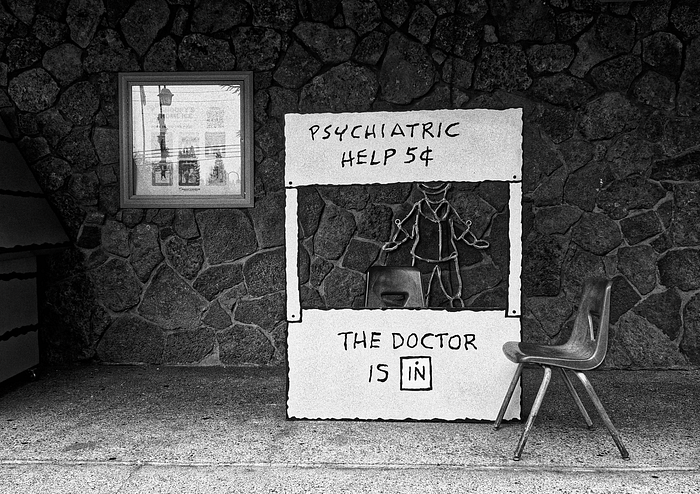
OM System provides four grain choices: Off, Low, Medium, and High. I started with Medium for MONO 1 and loved the results. Why didn't I figure this out earlier?

FujiFilm X100V Offers Film Grain Too
Surely Fuji, with all of its great film simulations, wouldn't pass on this opportunity. And even though their implementation isn't as flexible as Nikon's, it's available.
Grain Effect is listed in the IQ menu with two parameters: Roughness and Size. Each parameter has options. For Roughness, there's Strong, Weak, and Off. For Size, we can choose between Large and Small.
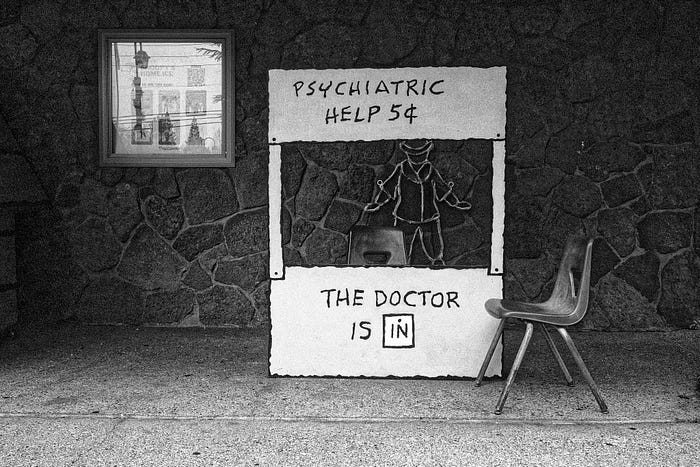
I combined Strong with Large and selected the Acros film simulation. And just like my experience with the Nikon Zf and the OM-3, adding film grain to the Acros simulation enhanced its analog-like rendering. This option was also available on the GFX100S medium format camera, so I'm guessing that it's there for all Fujifilms.
Comparing Film Grain Renderings to RAW Files
As much as I like creating JPEGs that I can use right out of the camera, I still capture RAWs as well. There are scenarios when I don't want the effects and would rather start from scratch with a RAW file.
Plus, the RAWs are also great for comparison purposes. They're like the "control files" in a whacky creative experiment. My burning question: Were the grainy film-simulated images better than the smooth, saturated digital files? As you may have guessed, it depends on the subject and the story being told.
Take a look at the two examples below, captured with the Nikon Zf and a Nikkor 26mm f/2.8 lens. The first image is a normally processed RAW file, and the picture below it features a Kodacolor 200 film simulation with moderate grain effect added (level 3, small size).
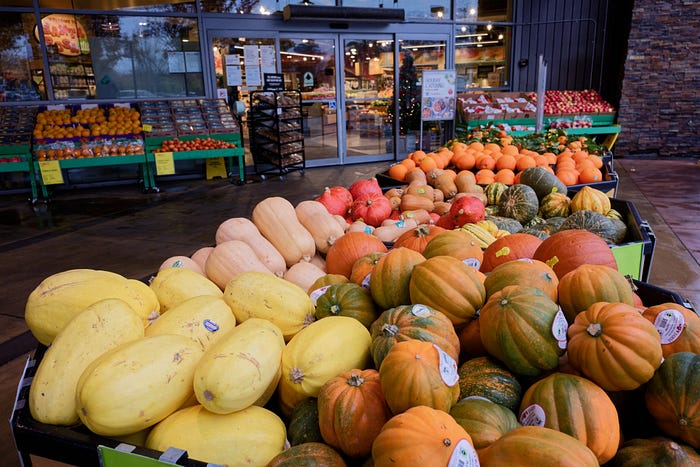
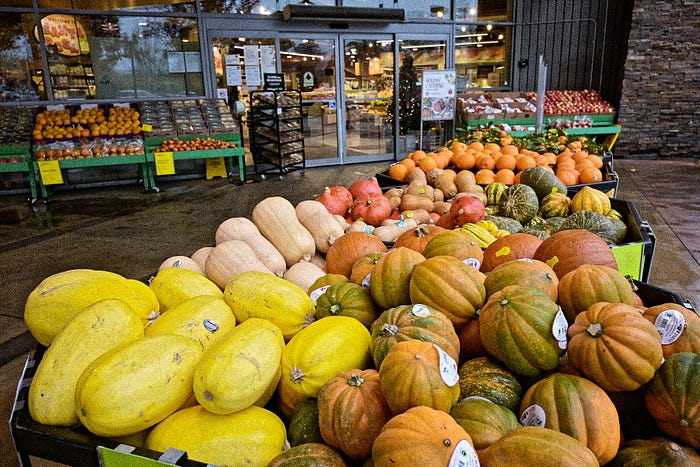
Normally, I would have been fine with the RAW rendering. But when I compare it to the toothy JPEG, it looks artificially smooth. In this particular case, I prefer the JPEG.
I also like that I can go crazy with the Picture Controls on the Zf (where the film simulations are located), add grain, and not worry about overdoing it because the RAW version is always there if I need it. For me, this encourages experimentation and creativity.
There Is a Post-Production Option
If your camera doesn't have built-in grain control, or you want more fine-tuning capability than what it offers, you can add this effect in post-production. Most apps include this adjustment.
In Lightroom, for example, you can change the amount, size, and roughness of grain with sliders, so it seems more controllable than it is in-camera, which bakes it in. The colors remain true, but the grain can vary.
Final Thoughts
All of this craziness began with a firmware update for the Nikon Zf. A shoutout to them for continually refining an already great camera.
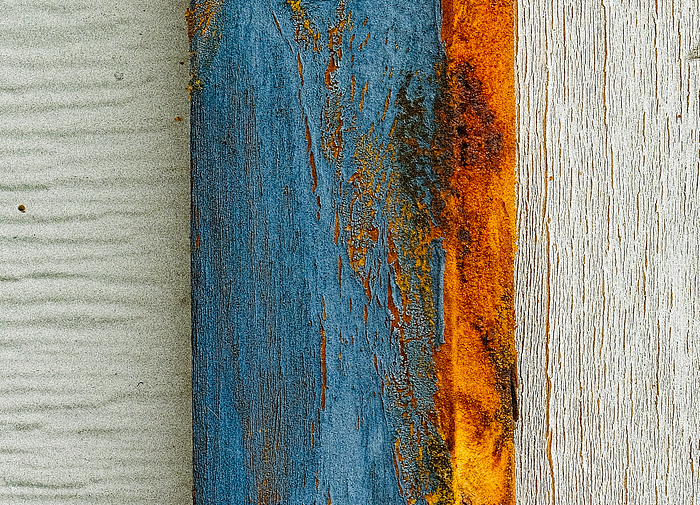
And I've also learned that film grain is artistically different than digital noise. As I examine film photos and look at the grain patterns (see the Yosemite shot at the top of the article), I find them pleasing. They add sharpness and tooth to the pictures. Nikon further enhances this effect by randomizing the grain in a similar fashion to actual film. Theoretically, no two digital pictures are alike.
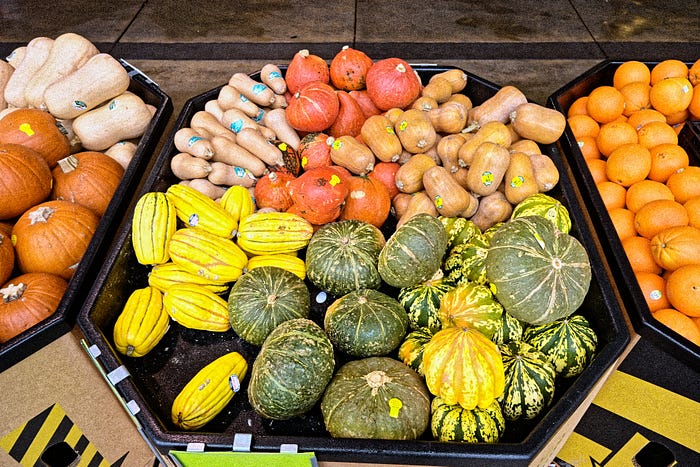
But this is also a revelation for my OM-3 and X100V. Again, as much as I previously enjoyed shooting in MONO with the OM-3 or Acros with the X100V, they never quite looked as analog as I wanted. Now those images come much closer.
I love shooting with real film. But it isn't always convenient. Now I feel like I have more control over the type of images I want to create with my digital cameras.
It all started with a firmware update and the question, "Why the heck did they add Film Grain Options to my Nikon Zf?" Now I know why.
Author Notes
All photos in this article are by Derrick Story, except for the Yosemite picture by Fred Brundick.
I've included affiliate links to the cameras I discuss for reader convenience. Those links help support my research and writing, and I appreciate readers using them.
For more interesting photography content, check out Live View, a Medium publication. We add new stories weekly.